
The Catholic Rite of Baptism: A Comprehensive Overview
The 1969 revision‚ published by the Congregation for Divine Worship‚ significantly reformed the rite‚ becoming effective September 8th‚ 1969‚ impacting baptismal certificates․
Historical Context of the Rite
Baptism’s roots are deeply embedded in the early Church‚ intrinsically linked to Jesus’s mission and ascension‚ as understood from the moment He gathered His disciples․ The practice evolved over centuries‚ initially involving full immersion‚ symbolizing death and resurrection with Christ․ Early baptismal records‚ precursors to modern baptismal certificates (PDF)‚ were often simple notations of the event․
The rite’s formalization began taking shape with the development of liturgical traditions․ The 1969 revision‚ stemming from the Second Vatican Council‚ represented a significant shift‚ aiming for greater clarity and participation․ Prior to this‚ variations existed across regions․ The Congregation for Divine Worship’s decree on May 15‚ 1969‚ standardized the practice‚ influencing the content and format of subsequent baptismal documentation․
The 1969 Revision and its Significance
The 1969 revision of the Rite of Baptism‚ decreed by the Congregation for Divine Worship‚ marked a pivotal moment in Catholic liturgical practice․ It superseded previous forms‚ establishing a unified and standardized ceremony applicable across the Church․ This revision directly impacted the structure and content of baptismal certificates (PDF)‚ ensuring consistency in recorded details․
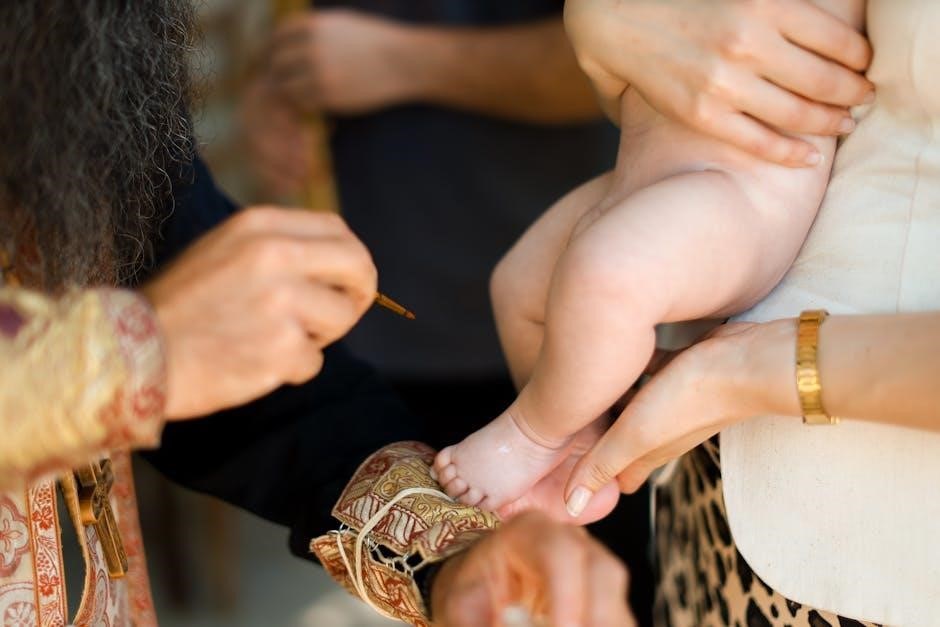
Prior to 1969‚ regional variations were common․ The new rite emphasized greater clarity in the symbolism and theological meaning of baptism․ It also fostered increased lay participation․ The decree‚ effective September 8‚ 1969‚ aimed to align the rite with the principles of Lumen Gentium‚ enhancing understanding of baptism as new creation and initiation into Christ․ Consequently‚ PDF formats of baptismal records reflect these changes․
Theological Foundations of Baptism
Central to Catholic theology‚ Baptism is understood as a sacrament of new birth‚ fundamentally altering one’s spiritual state․ It’s through “water and the Holy Spirit” that individuals become “a new creation‚” echoing scriptural foundations․ This transformative act isn’t merely symbolic; it imparts grace‚ cleansing from original sin and initiating participation in Christ’s life‚ death‚ and resurrection․
The rite’s theological underpinnings‚ detailed in documents like Lumen Gentium‚ emphasize baptism’s role in Church membership and mission․ Understanding these foundations is crucial when examining baptismal certificates (PDF)‚ as they document this spiritual rebirth․ The PDF record serves as official confirmation of this foundational sacrament and its theological implications for the recipient’s faith journey․
Baptism as New Creation
The concept of Baptism as a “new creation” is paramount in Catholic theology‚ signifying a radical transformation bestowed by God’s grace․ This isn’t simply purification‚ but a complete renewal of a person’s spiritual nature‚ becoming a child of God and an heir to eternal life․ This profound change is documented officially through baptismal certificates․
Examining a baptismal certificate (PDF) reveals more than just dates and names; it signifies entry into this new life in Christ․ The PDF format ensures the preservation of this vital record‚ confirming the individual’s spiritual rebirth․ This documentation serves as evidence of the sacramental grace received‚ a testament to the transformative power of Baptism and its lasting impact;
The Role of Water and the Holy Spirit
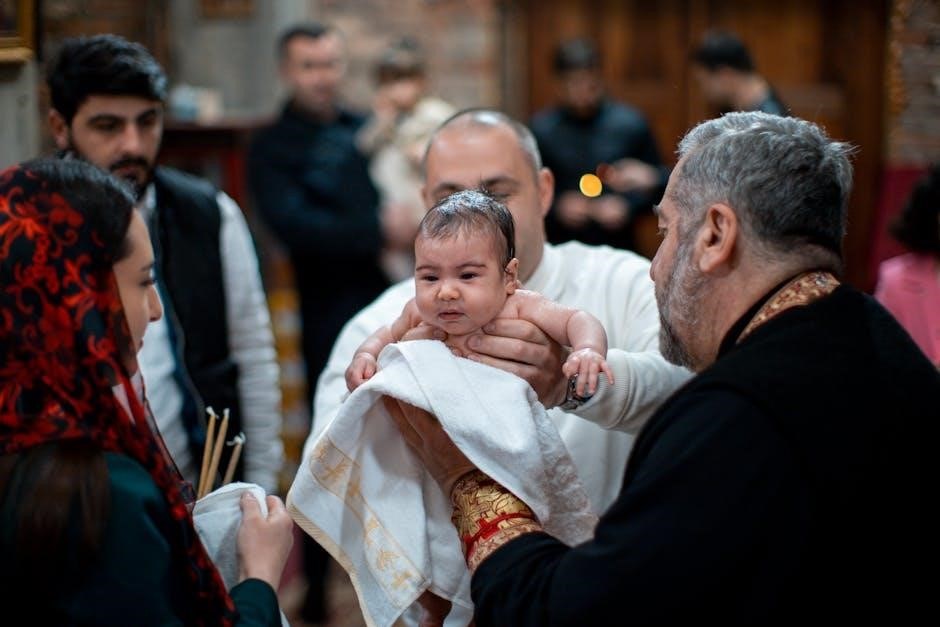
Water and the Holy Spirit are inextricably linked in the Catholic understanding of Baptism‚ representing both purification and spiritual rebirth․ Water symbolizes the washing away of sin‚ while the Holy Spirit signifies the divine power that regenerates the individual․ This dual action is central to the rite‚ as outlined in official liturgical documents‚ often reflected in the details recorded on a baptismal certificate (PDF)․
The blessing of baptismal water‚ a key element of the ceremony‚ invokes the Holy Spirit’s descent‚ sanctifying the water for its sacred purpose․ Accessing historical baptismal records (PDF) demonstrates the consistent emphasis on these elements throughout the Church’s history․ These PDF documents serve as enduring proof of this spiritual transformation․
The Rite of Baptism for Infants
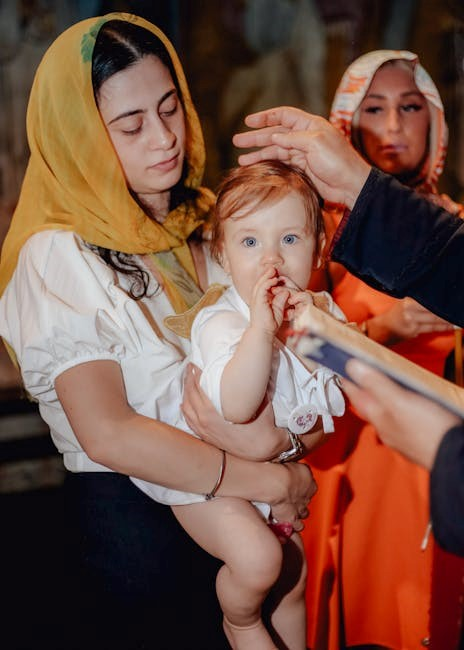
Today‚ infant baptism remains a common practice within the Catholic Church‚ typically occurring shortly after birth․ This tradition is documented in numerous parish baptismal records (PDF)‚ providing a historical account of this widespread practice․ The details recorded on a standard baptismal certificate (PDF) often include the infant’s name‚ date of birth‚ and the names of the godparents․

While adult baptism occurs through the RCIA‚ infant baptism signifies a welcoming into the faith community‚ relying on the faith of the parents and godparents․ Examining archived baptismal certificates (PDF) reveals consistent elements within the rite‚ showcasing its enduring structure and significance․
The Rite of Christian Initiation of Adults (RCIA)
The RCIA represents a restored process for initiating adults into the Catholic Church‚ often culminating in baptism at the Easter Vigil․ Detailed outlines of the RCIA process‚ including the baptismal rite‚ are frequently available as downloadable PDF resources from diocesan websites․ These PDF documents often include liturgical texts and guidance for parish leaders․
Unlike infant baptism‚ adult baptism involves a period of formation and discernment․ Parish baptismal records (PDF) will distinctly note those entering the faith through RCIA‚ often with additional documentation regarding their catechetical journey․ Accessing these PDF records can provide insight into the growth of adult converts within a specific community․
Differences Between Infant and Adult Baptism
A key distinction lies in the preparatory process; infant baptism presumes parental faith‚ while adult baptism necessitates a deliberate faith journey․ Detailed liturgical guides‚ often available as PDF downloads‚ illustrate these differences․ Baptismal certificates (PDF) for adults undergoing RCIA frequently include notations about their catechesis․
Adult baptism involves a profession of faith and renunciation of sin‚ elements implicit in infant baptism through godparents․ Diocesan archives often maintain digitized baptismal records (PDF)‚ allowing comparison between the two rites․ These PDF documents highlight the distinct requirements and liturgical adaptations for each form‚ showcasing the Church’s pastoral sensitivity․
Essential Elements of the Baptismal Rite
The rite’s core comprises the Liturgy of the Word‚ proclaiming God’s saving deeds‚ and the Prayer of the Faithful‚ interceding for the candidate․ Crucially‚ the Blessing of Baptismal Water‚ often detailed in liturgical PDF guides‚ prepares the element for sanctification․ These PDF resources outline the specific prayers and gestures involved․
Baptismal certificates (PDF) often reference these elements‚ confirming their inclusion in the ceremony․ Diocesan archives provide access to historical rite variations‚ documented in scanned baptismal records (PDF)․ Understanding these elements is vital; liturgical handbooks‚ available as PDF downloads‚ offer comprehensive explanations‚ ensuring faithful execution of this sacred sacrament․
The Liturgy of the Word
This foundational segment of the rite proclaims God’s revelation‚ preparing candidates and the congregation for baptism․ Scriptural readings‚ often detailed in liturgical PDF guides‚ emphasize new life in Christ and the renunciation of sin․ These PDF resources outline approved scripture selections for infant and adult baptisms․

Baptismal certificates (PDF) may not explicitly list readings‚ but they confirm the rite’s adherence to liturgical norms․ Accessing historical rite variations through scanned baptismal records (PDF) reveals evolving scriptural emphases․ Diocesan archives offer these PDF documents․ Understanding the Liturgy of the Word’s theological weight‚ as explained in liturgical handbooks available as PDF downloads‚ is crucial․
The Prayer of the Faithful
Following the Liturgy of the Word‚ the Prayer of the Faithful—or intercessions—expresses the community’s supplication to God for the candidate‚ their family‚ and the wider Church․ Detailed liturgical guides‚ often available as PDF downloads‚ provide suggested intentions; These PDF resources ensure consistency across parishes․
Baptismal certificates (PDF) don’t typically include the specific intercessions offered‚ but confirm the rite’s completion․ Historical baptismal records (PDF) might hint at prevalent concerns of the time reflected in the prayers․ Examining archived PDF versions of the rite reveals evolving intercessory themes․ Diocesan archives maintain these PDF documents․ The prayers emphasize the candidate’s journey toward new life‚ mirroring themes found in liturgical PDF materials․
The Blessing of Baptismal Water
The blessing of the baptismal water is a pivotal moment‚ invoking the Holy Spirit to sanctify the water for its transformative purpose․ Liturgical books‚ frequently accessible as PDF documents‚ detail the specific prayers and gestures․ These PDF guides ensure uniformity in the blessing across different parishes․ Historical baptismal records (PDF) often don’t detail the blessing itself‚ but confirm its occurrence․
The priest prays for the water to become an instrument of new birth‚ referencing the Holy Spirit’s descent upon Jesus․ Diocesan archives maintain digitized versions of the rite as PDF files․ Examining older PDF versions reveals subtle variations in the blessing prayers․ A baptismal certificate (PDF) confirms the use of blessed water‚ though not the blessing’s specifics․
The Actual Baptism Ceremony
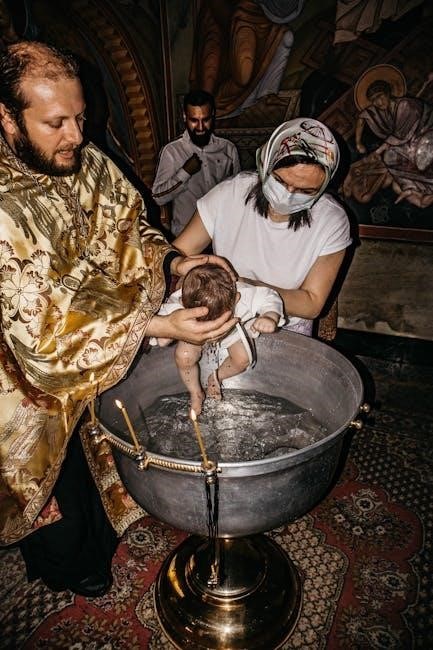
The core of the rite involves the renunciation of sin and a profession of faith‚ documented in liturgical guides often available as PDFs․ These PDF resources detail the precise questions asked and responses expected․ Following this‚ the actual baptism – either by pouring or immersion – takes place‚ a moment frequently captured in parish baptismal records (PDF)․
Baptismal certificates (PDF) confirm the date and manner of baptism․ The priest then anoints the newly baptized with chrism‚ signifying consecration and sealing with the Holy Spirit․ Detailed rubrics for this anointing are found within comprehensive rite PDFs․ Historical PDF archives show variations in the ceremony’s execution over time‚ but the essential elements remain consistent․
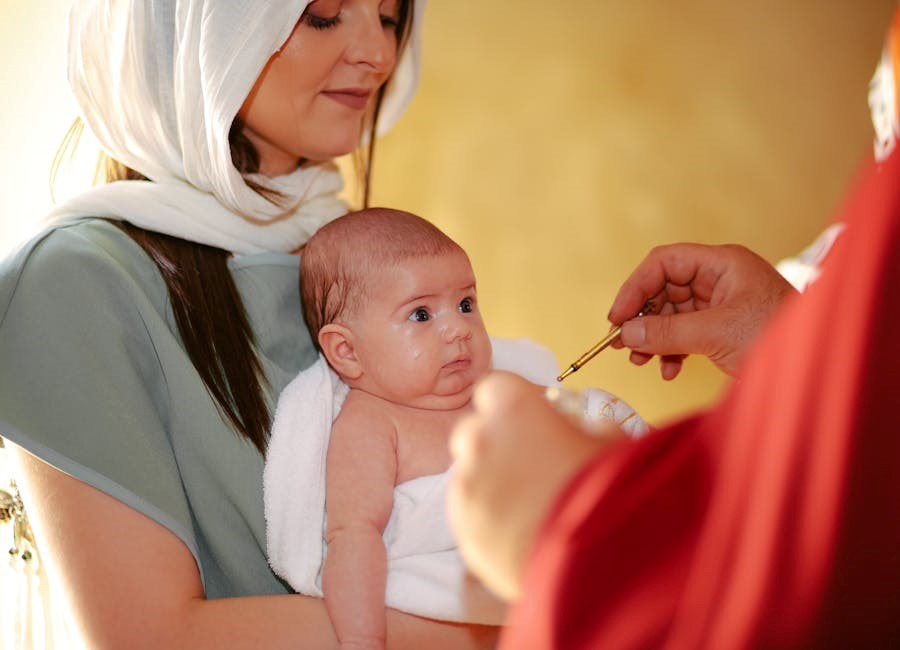
The Renunciation of Sin and Profession of Faith
This pivotal stage‚ meticulously outlined in PDF liturgical guides‚ begins with questions directed to the candidate (or their parents/godparents for infants)․ These inquiries demand a rejection of Satan‚ sin‚ and all evil‚ a formal disavowal documented for posterity in parish baptismal records (PDF)․
Subsequently‚ a profession of faith is made‚ affirming belief in God the Father‚ Son‚ and Holy Spirit․ The exact wording varies slightly‚ but the core tenets remain constant‚ as detailed in official rite PDFs․ This declaration‚ often recited by the candidate or godparents‚ is a public statement of commitment․ Baptismal certificates (PDF) indirectly attest to this profession‚ confirming the candidate’s acceptance of Catholic faith․
The Baptism Itself (Pouring or Immersion)
The central act of the sacrament‚ thoroughly described in liturgical PDFs‚ involves the application of water․ Traditionally‚ baptism occurred through full immersion‚ symbolizing death and resurrection‚ though pouring water over the head is now the common practice․ Parish baptismal records (PDF) will note the method used․
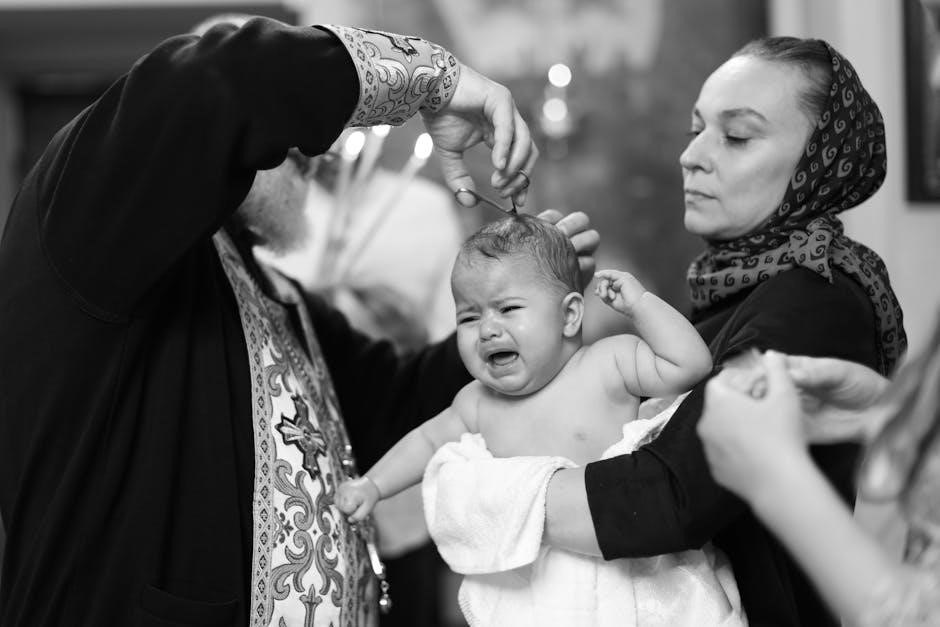
As the priest invokes the Holy Trinity‚ the water becomes sanctified‚ a powerful symbol of purification and new life․ This moment‚ detailed in rite PDFs‚ signifies the washing away of original sin․ The priest pronounces the baptismal formula – “I baptize you in the name of the Father‚ and of the Son‚ and of the Holy Spirit” – a phrase central to the sacrament‚ and documented on the baptismal certificate (PDF)․
Anointing with Chrism
Following the baptism itself‚ as detailed in liturgical PDF guides‚ the newly baptized individual is anointed with sacred Chrism oil․ This fragrant oil‚ consecrated by the bishop‚ signifies sealing with the Holy Spirit and consecration as a Christian․ The priest anoints the candidate on the crown of the head‚ symbolizing a royal priesthood․
This anointing‚ thoroughly documented in baptismal rite PDFs‚ signifies belonging to Christ and being incorporated into the Church․ The baptismal certificate (PDF) often includes a note regarding the anointing․ It’s a visible sign of the Holy Spirit’s gifts bestowed upon the baptized‚ strengthening them for witness and service․ Parish baptismal records (PDF) will confirm this essential step in the rite․
Godparents and Their Role
Godparents‚ crucial figures in the baptismal rite‚ are formally recognized in baptismal rite PDF documents․ They represent the Christian community and assist the parents in raising the child in the faith․ Their role extends beyond the ceremony; they are called to support the baptized individual throughout their life‚ offering guidance and encouragement in their spiritual journey․
Baptismal records (PDF) invariably list the godparents’ names․ Requirements for godparents‚ detailed in diocesan guidelines often available as PDFs‚ typically include being practicing Catholics‚ having received the sacraments of Confirmation and Eucharist‚ and leading lives in harmony with the faith․ The selection of godparents is a significant responsibility‚ reflecting the importance of faith formation․
Requirements for Godparents
Detailed requirements for godparents are often outlined in diocesan policies‚ frequently accessible as baptismal rite PDF guides․ Generally‚ a godparent must be a practicing Catholic who has been fully initiated into the Church – meaning they’ve received Baptism‚ Confirmation‚ and Eucharist․ They must be at least sixteen years old‚ and cannot be the parent of the child being baptized․
PDF versions of parish guidelines often specify that godparents should lead lives consistent with the Catholic faith‚ demonstrating a commitment to the Church’s teachings․ Some dioceses require a formal interview or attestation of suitability․ These stipulations‚ documented in baptismal records (PDF)‚ ensure the godparent is prepared to fulfill their spiritual role․
Baptism in the Early Church
Early Church baptism‚ detailed in historical texts often digitized as baptismal rite PDF resources‚ differed significantly from modern practice․ It wasn’t simply a ritual for infants; adults typically underwent extensive catechesis and a period of spiritual preparation․ Immersion‚ rather than pouring‚ was the common practice‚ symbolizing death to sin and resurrection with Christ․
Early baptismal records (PDF)‚ though fragmented‚ reveal baptism often occurred at the Easter Vigil‚ a powerful symbolic time․ The connection between baptism and mission‚ evident from Jesus’s ascension‚ was central․ Studying these early practices‚ available in scholarly PDF documents‚ illuminates the evolution of the sacrament․
Baptism and Mission
From its inception‚ as documented in early Church writings now often available as baptismal rite PDF files‚ baptism has been intrinsically linked to mission․ Jesus’s final command to his disciples – “Go‚ therefore‚ and make disciples…” – underscores this connection․ Baptism isn’t merely an entry into the Church‚ but a commissioning for active participation in spreading the Gospel․
Historical baptismal records (PDF) and theological treatises demonstrate this understanding․ The newly baptized were expected to live out their faith publicly‚ becoming witnesses to Christ․ Accessing these historical PDF resources reveals how the early Church viewed baptism as the starting point for a life dedicated to evangelization and service‚ a call echoed today․
The Significance of Baptism in Ancient Rus’
The mass baptism of Ancient Rus’ in 988‚ under Vladimir the Great‚ marked a pivotal moment in its history and faith․ While details of the exact rite used are often found within historical documents – sometimes digitized as baptismal rite PDFs – its impact was profound․ This event wasn’t simply a political conversion; it signified a cultural and spiritual rebirth for the region․
Today‚ Russian Orthodox believers commemorate this event annually‚ celebrating over 1030 years since the christening․ Studying historical baptismal records (PDF) from that era‚ though scarce‚ reveals the importance placed on this sacrament․ The acceptance of Christianity fundamentally shaped the identity of Rus’‚ influencing its art‚ law‚ and societal structures‚ a legacy preserved in available PDF archives․
Validity of Baptism in Other Christian Denominations
The Catholic Church recognizes the validity of baptisms performed in most other Christian denominations‚ provided they utilize water and invoke the Trinitarian formula (“Father‚ Son‚ and Holy Spirit”)․ However‚ determining validity sometimes requires examining specific practices and documentation‚ potentially involving reviewing digitized baptismal records (PDF) from those churches․
Instances where re-baptism might be considered are rare and usually involve questions about the form or intent of the original rite․ Accessing a church’s baptismal certificate (PDF) can be crucial in these assessments․ Understanding differing theological approaches to baptism‚ often detailed in comparative religious studies – sometimes available as PDF resources – is essential for navigating these complex situations and ensuring proper canonical recognition․
Documentation and Records of Baptism (PDF Focus)
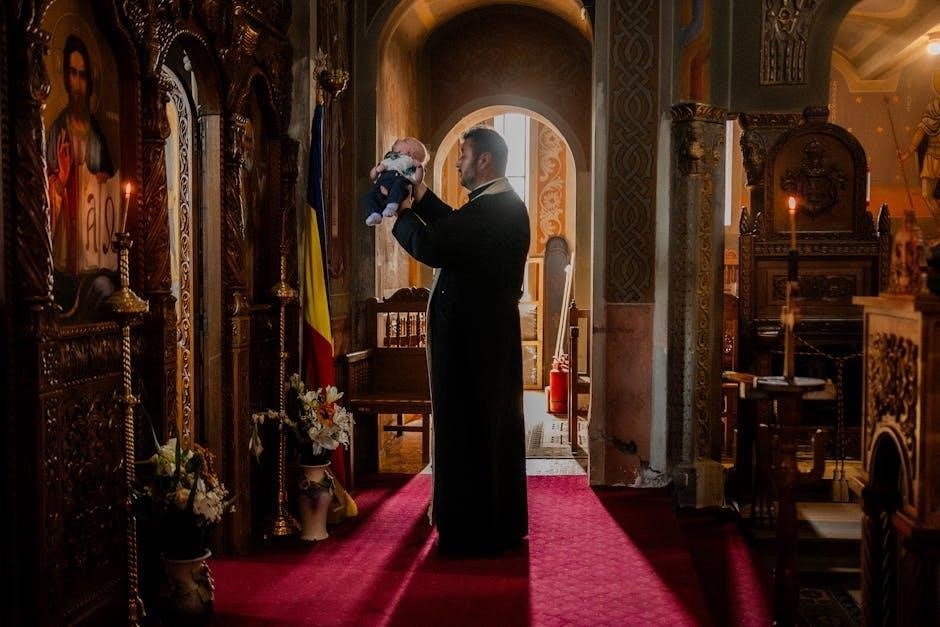
Catholic parishes meticulously maintain baptismal records‚ traditionally in physical registers‚ but increasingly digitized as PDF documents for efficient storage and retrieval․ Accessing baptismal records often requires contacting the parish where the baptism took place‚ with many now offering online request forms or email inquiries․ A typical baptismal certificate (PDF) includes the baptized person’s name‚ date and place of baptism‚ parents’ names‚ godparents’ names‚ and the priest’s signature․
These PDF certificates serve as official proof of sacramental initiation․ Parish archives may also contain older‚ handwritten records scanned into PDF format․ Understanding the format and information contained within these documents is vital for genealogical research and verifying sacramental history․
Accessing Baptismal Records
Obtaining baptismal records‚ often available as PDF documents‚ generally involves contacting the specific Catholic parish where the sacrament was administered; Many parishes now provide online request forms‚ streamlining the process for requesting a copy of a baptismal certificate (PDF)․ Alternatively‚ inquiries can be made via email or telephone‚ though response times may vary․
For records predating digitization‚ a physical search of parish archives may be necessary․ Some dioceses offer centralized databases or online portals for accessing historical records‚ potentially in PDF format․ Be prepared to provide as much identifying information as possible – including the baptized individual’s full name‚ date of birth‚ and approximate baptism date – to facilitate the search․
The Format of a Typical Baptismal Certificate (PDF)
A standard Catholic baptismal certificate (PDF) typically includes the parish name and address‚ along with the official parish seal․ Crucially‚ it displays the baptized individual’s full name‚ date of birth‚ and the exact date of baptism․ The certificate also confirms the sacrament was conferred according to the laws of the Catholic Church;
Furthermore‚ it will list the priest or deacon who administered the sacrament‚ and the names of the godparents; Many PDF versions include a statement regarding the validity of the baptism and may reference relevant Canon Law․ The document is often formatted for legal purposes‚ ensuring its acceptance for various administrative needs‚ like school enrollment or confirmation preparation․
Common Questions and Misconceptions About Baptism
A frequent question revolves around rebaptism; the Catholic Church does not rebaptize individuals validly baptized in other Christian denominations․ Another misconception concerns infant baptism – it’s rooted in the belief infants can receive God’s grace and are cleansed from original sin․ Accessing a baptismal certificate (PDF) often prompts inquiries about its necessity for various life events․
Some wonder about the difference between infant and adult baptism‚ clarified within the RCIA process․ Concerns arise regarding the validity of a baptism performed outside a Catholic church‚ necessitating verification․ Obtaining a PDF copy of a record can resolve these doubts․ Ultimately‚ understanding the theological foundations clarifies many common uncertainties surrounding this essential sacrament․